
Last updated September 20, 2026
Free on-site gate assessment - hinges, posts, and your LiftMaster or Nice gate operator checked before anything is quoted
The assessment is free and the quote is the invoice.
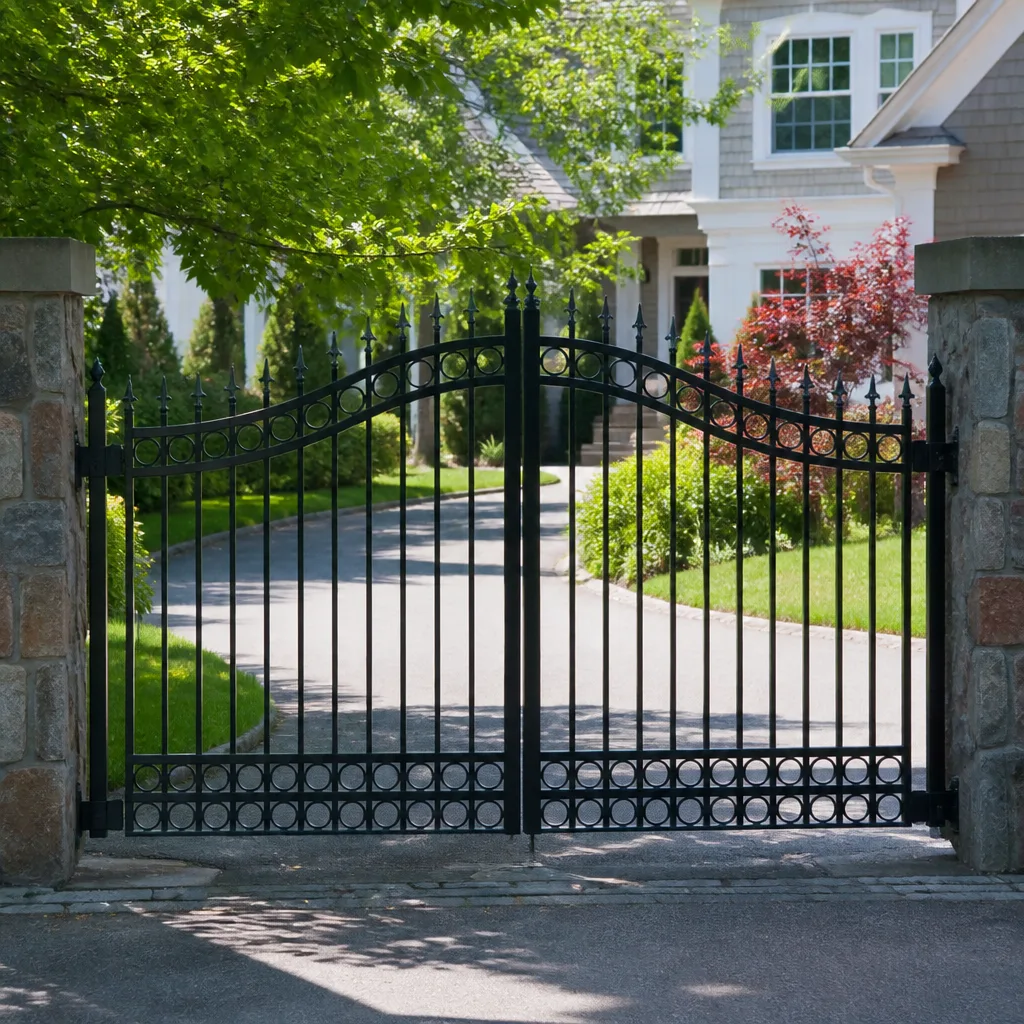
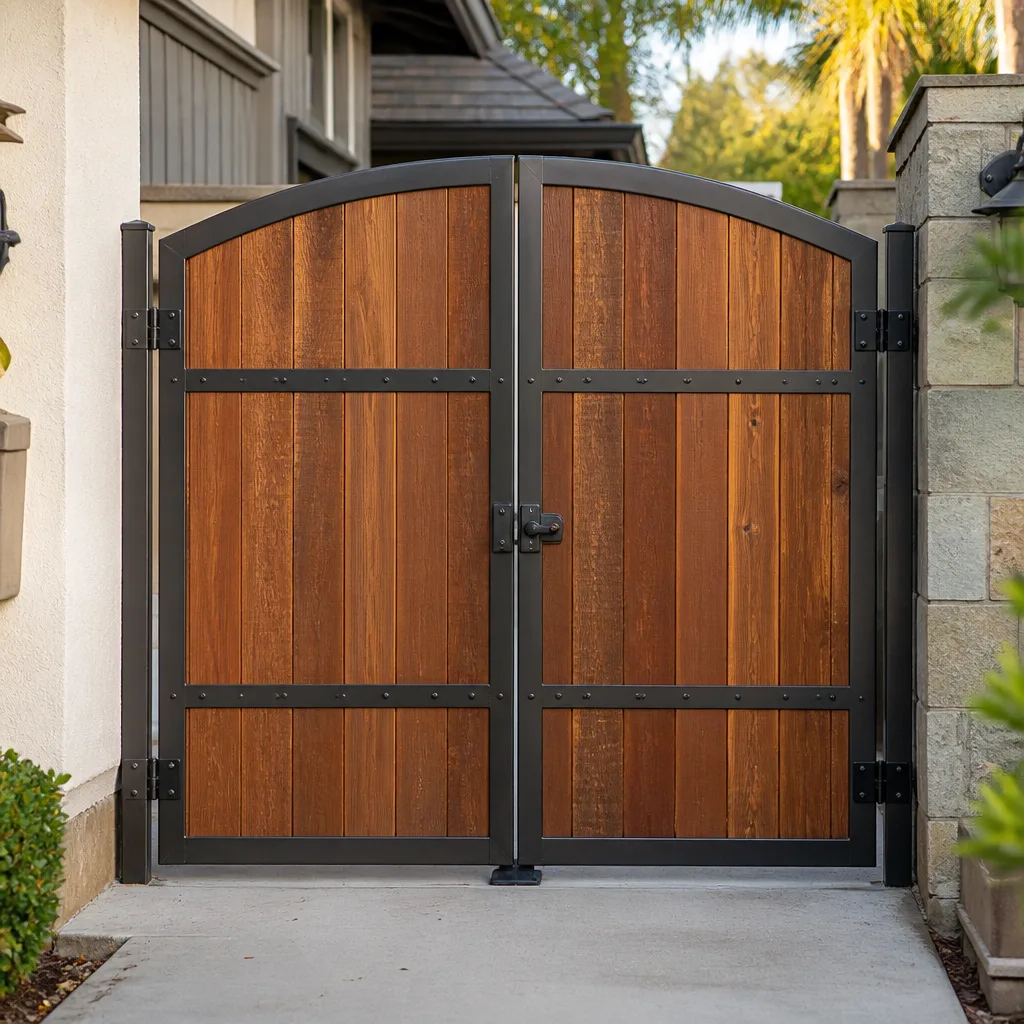
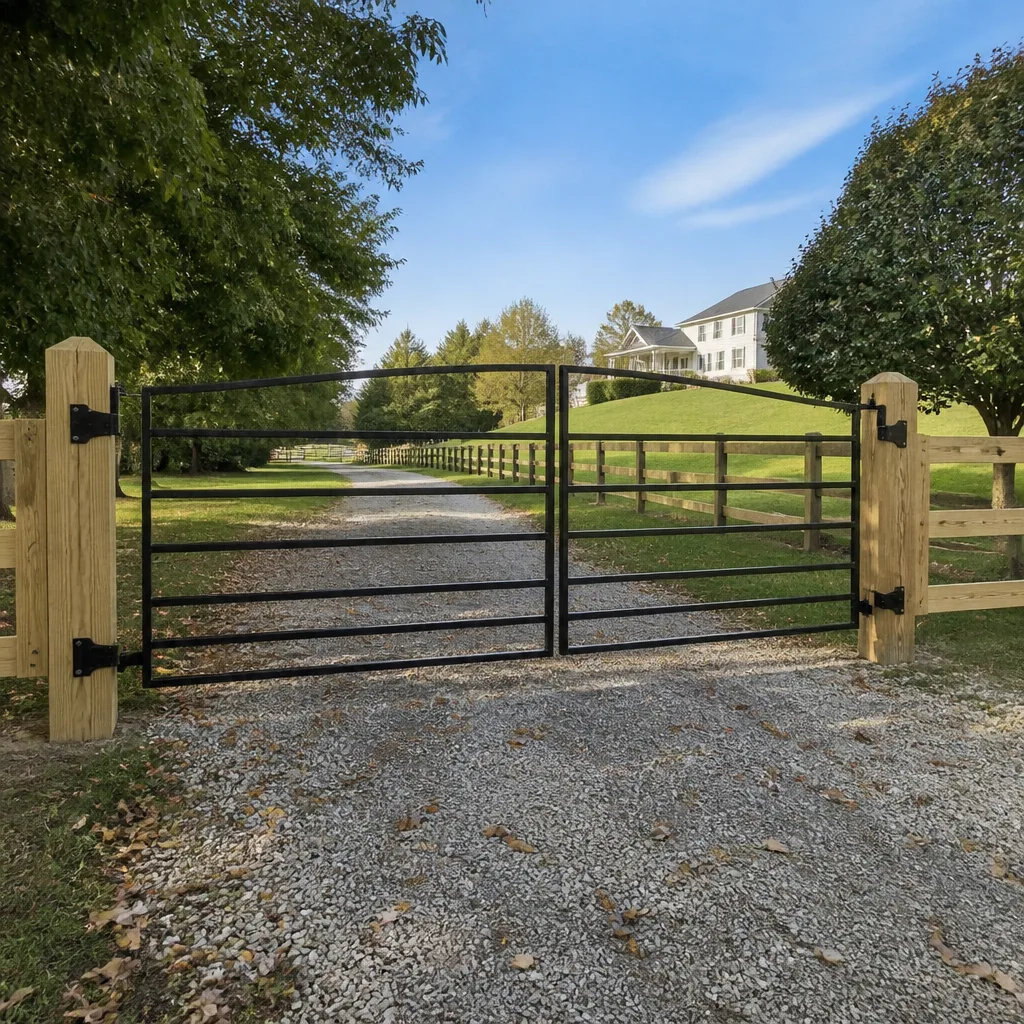
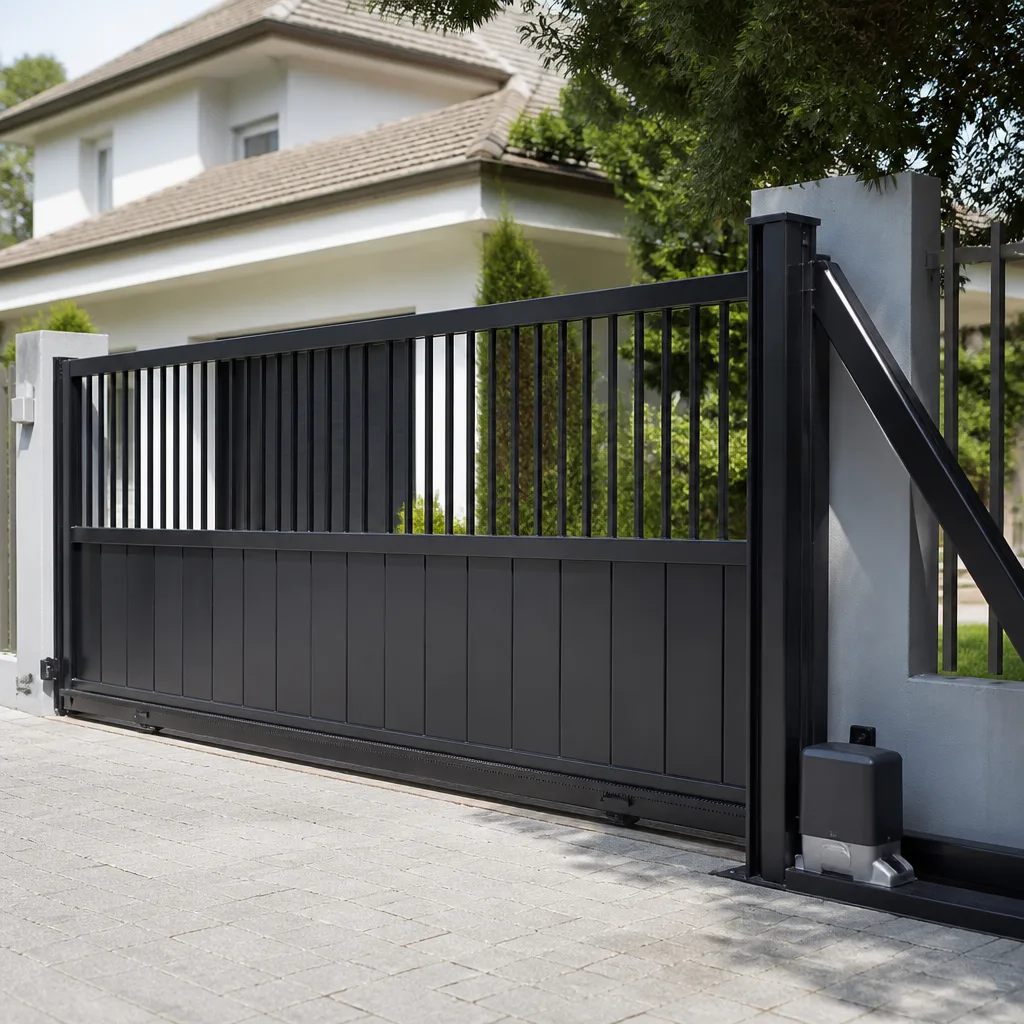
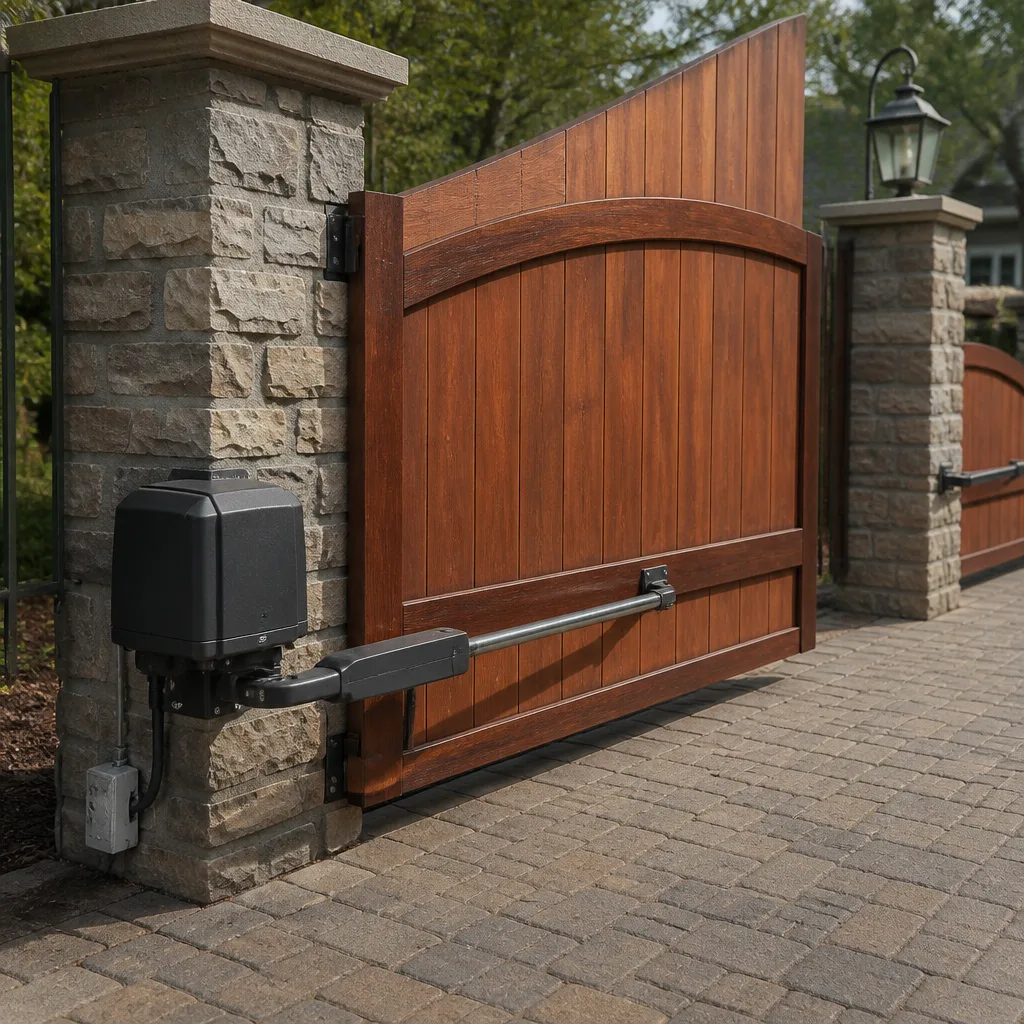
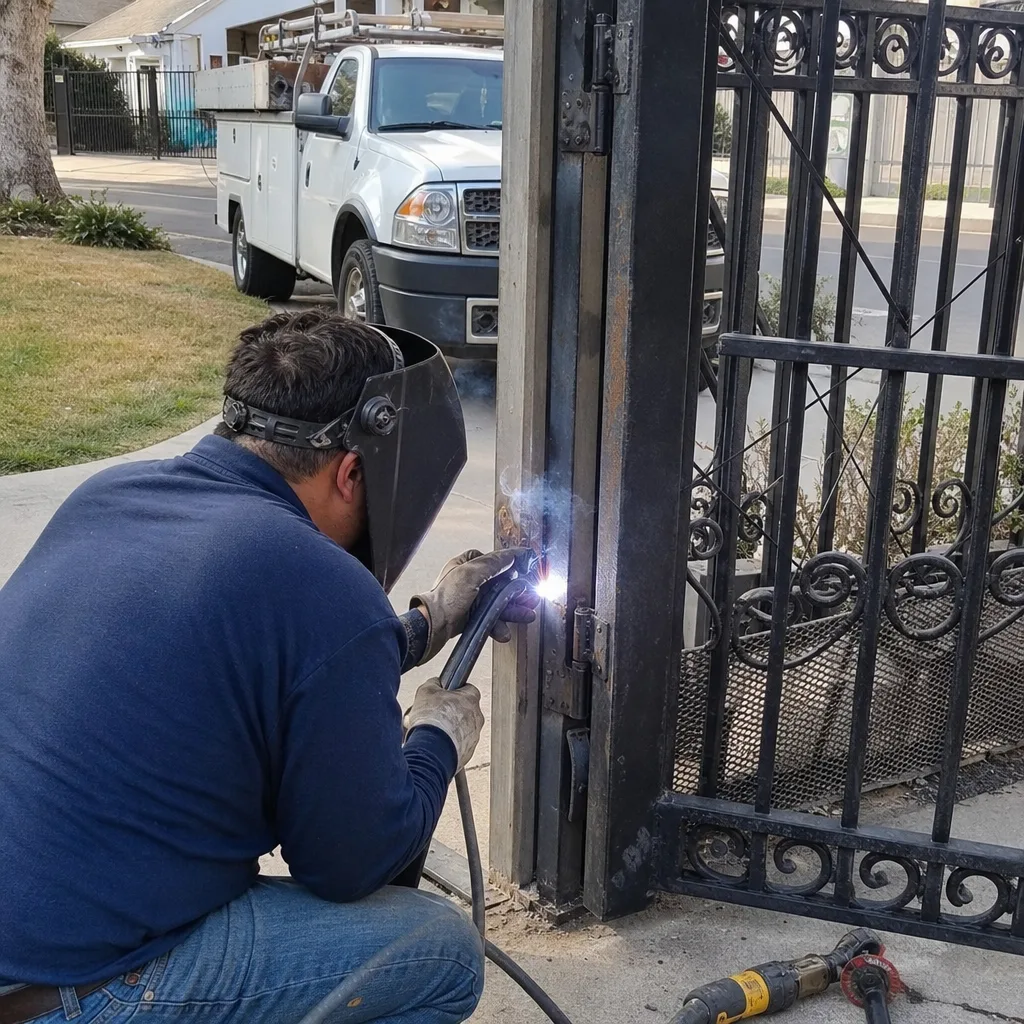
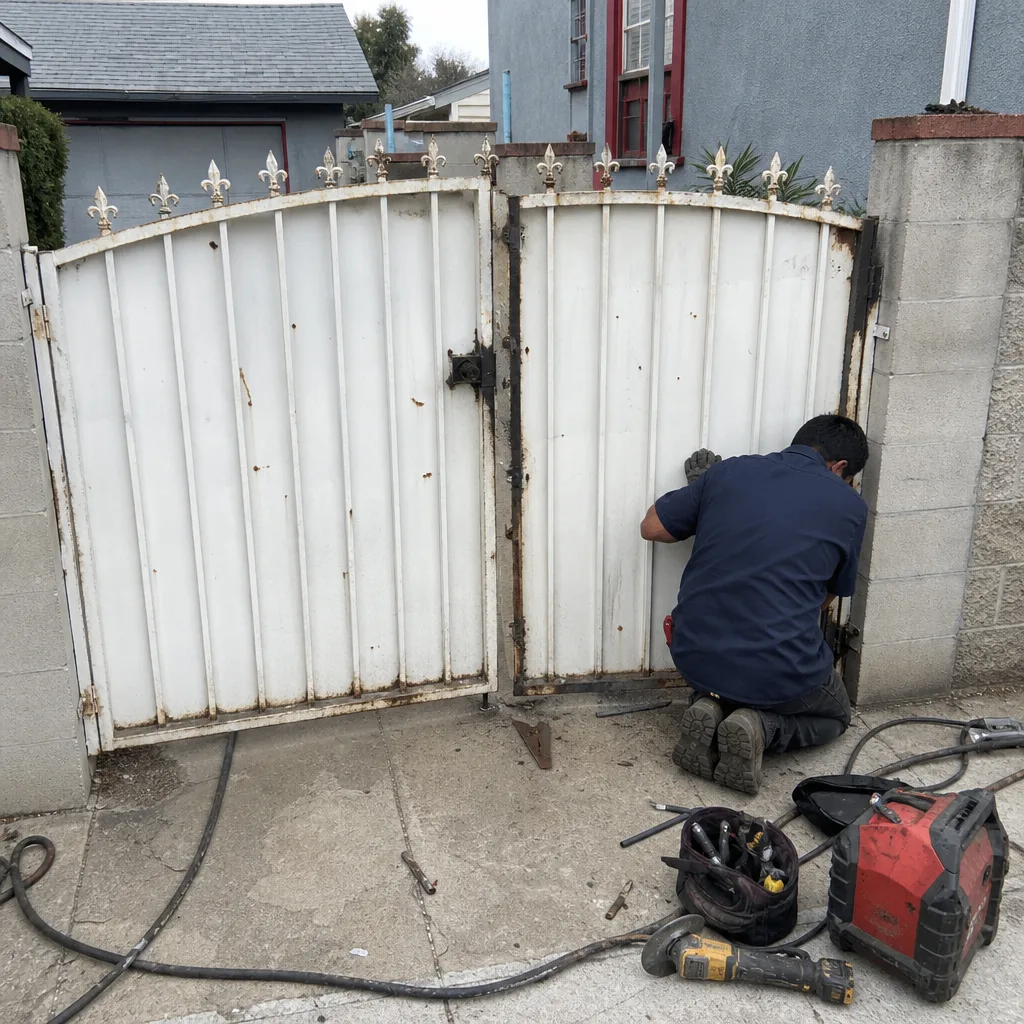 Before
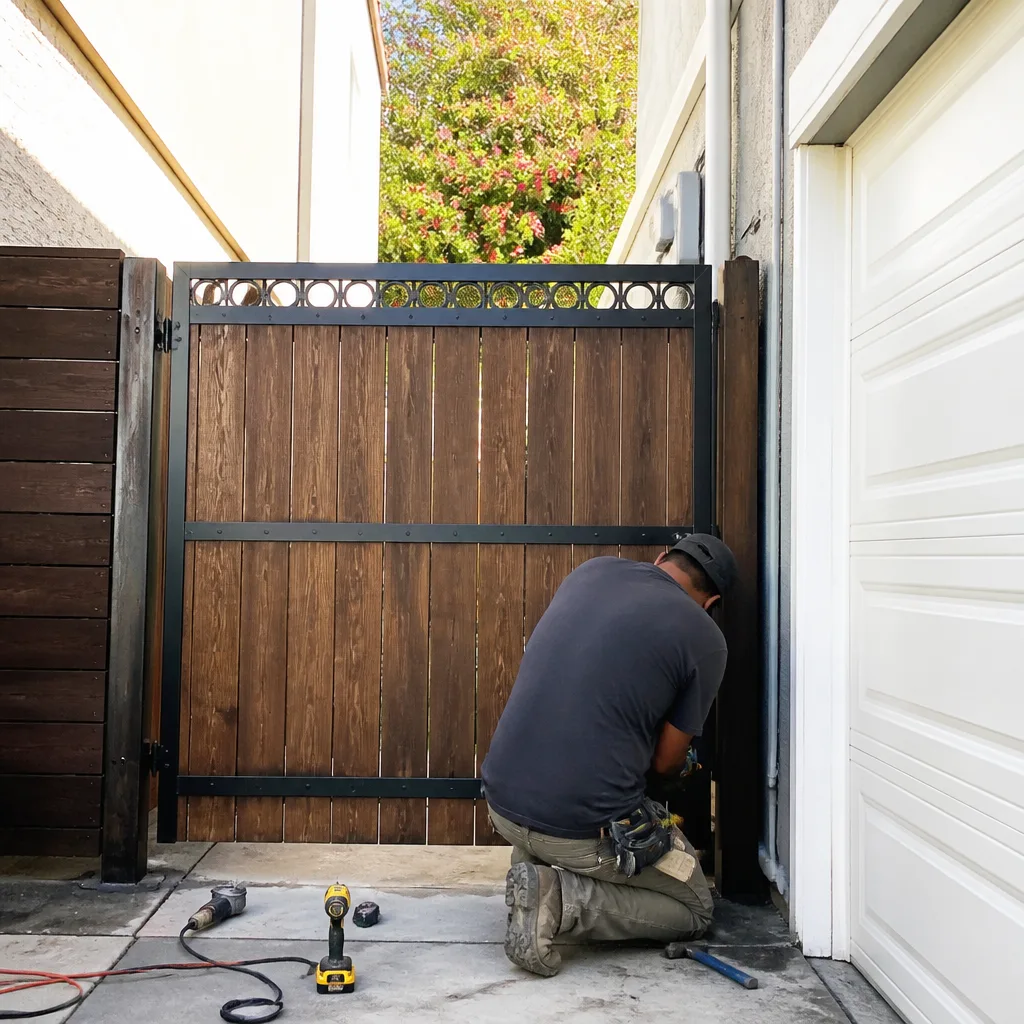 After
After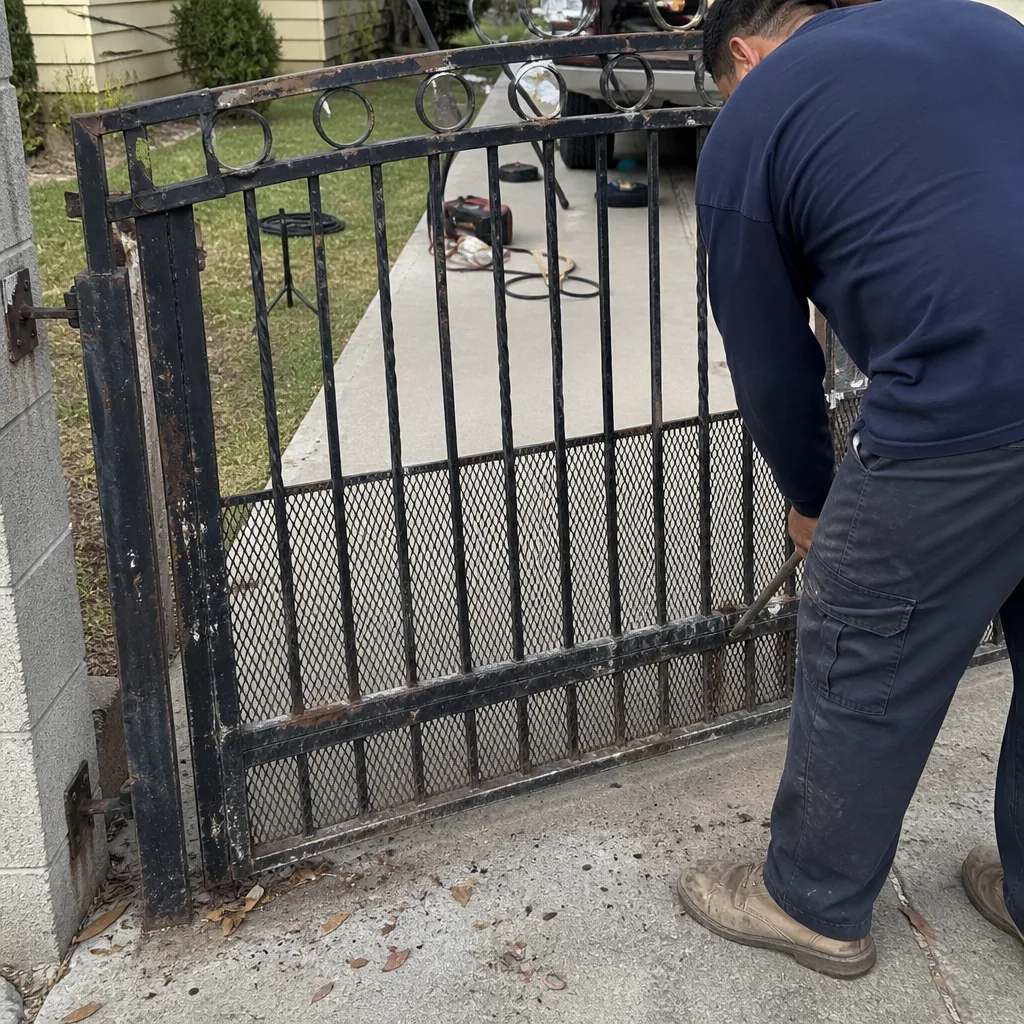 Before
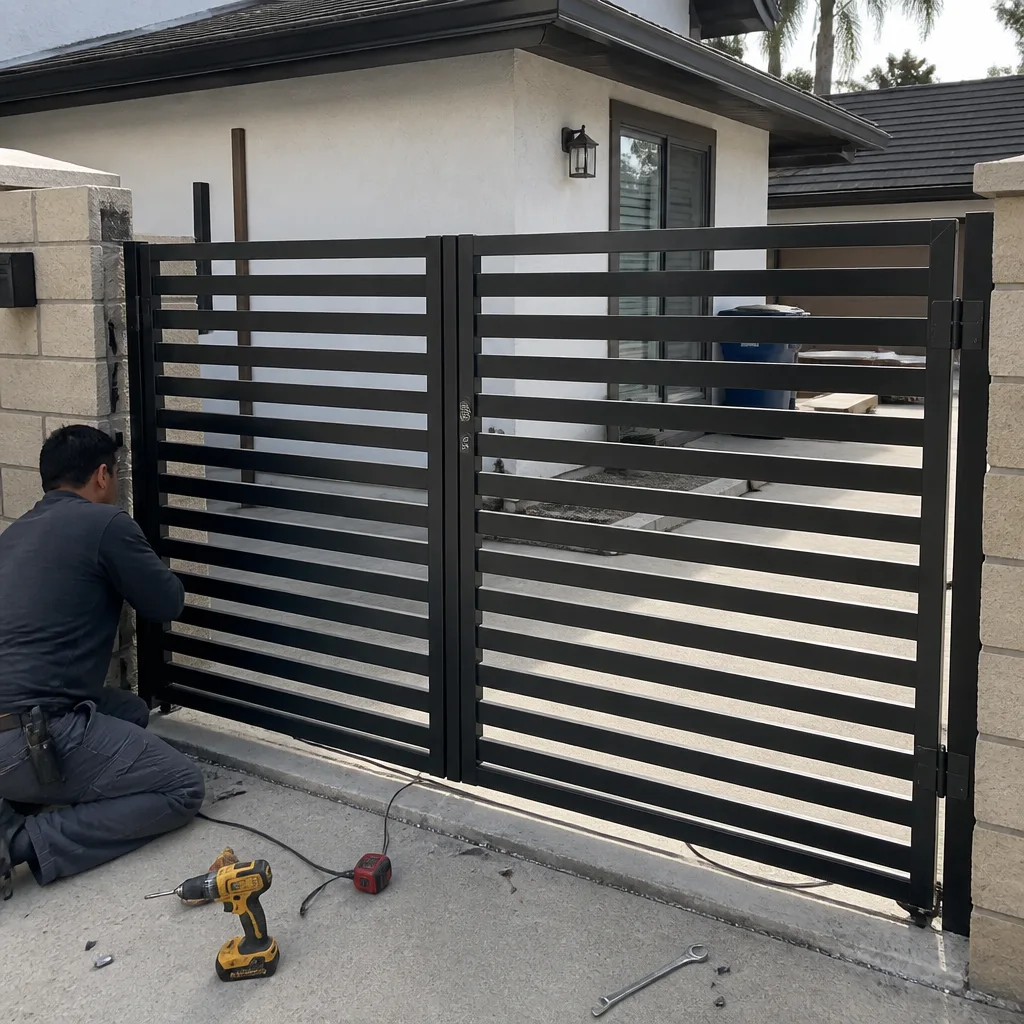 After
After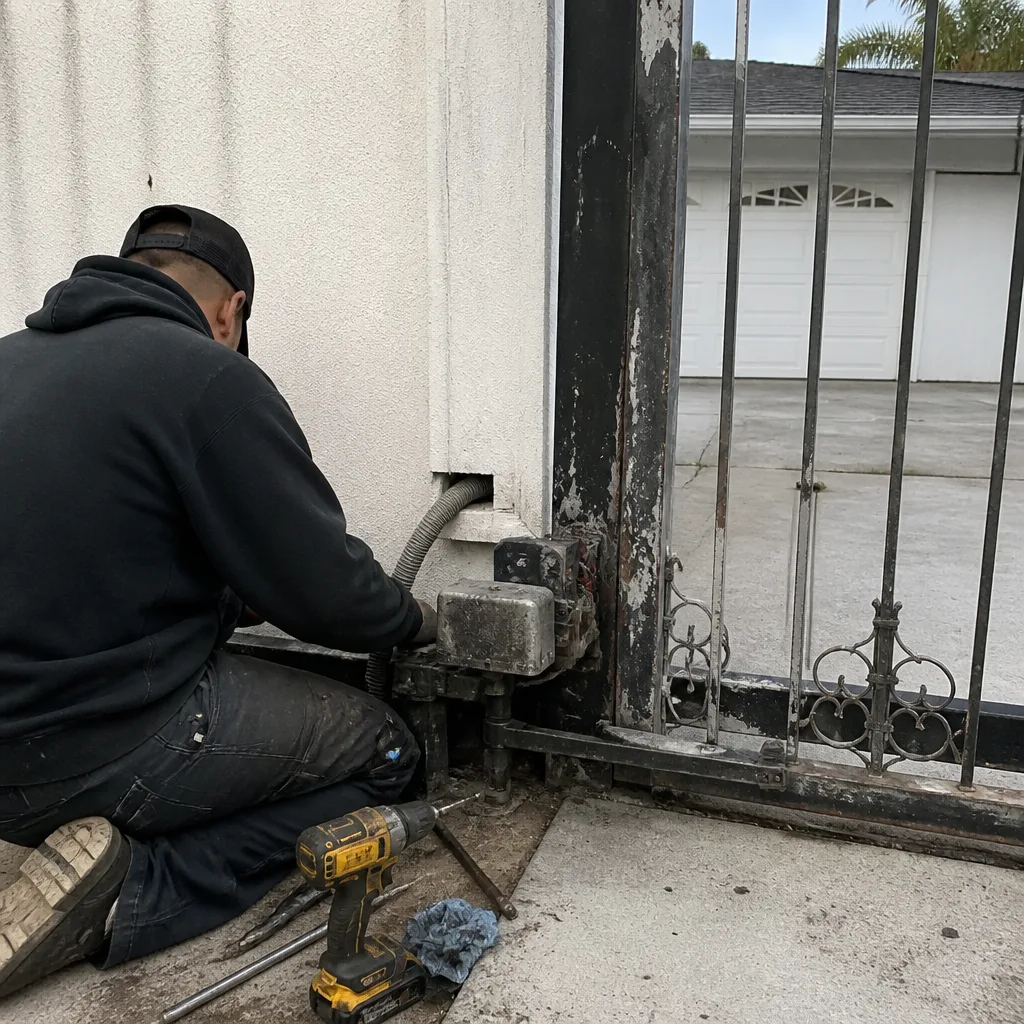 Before
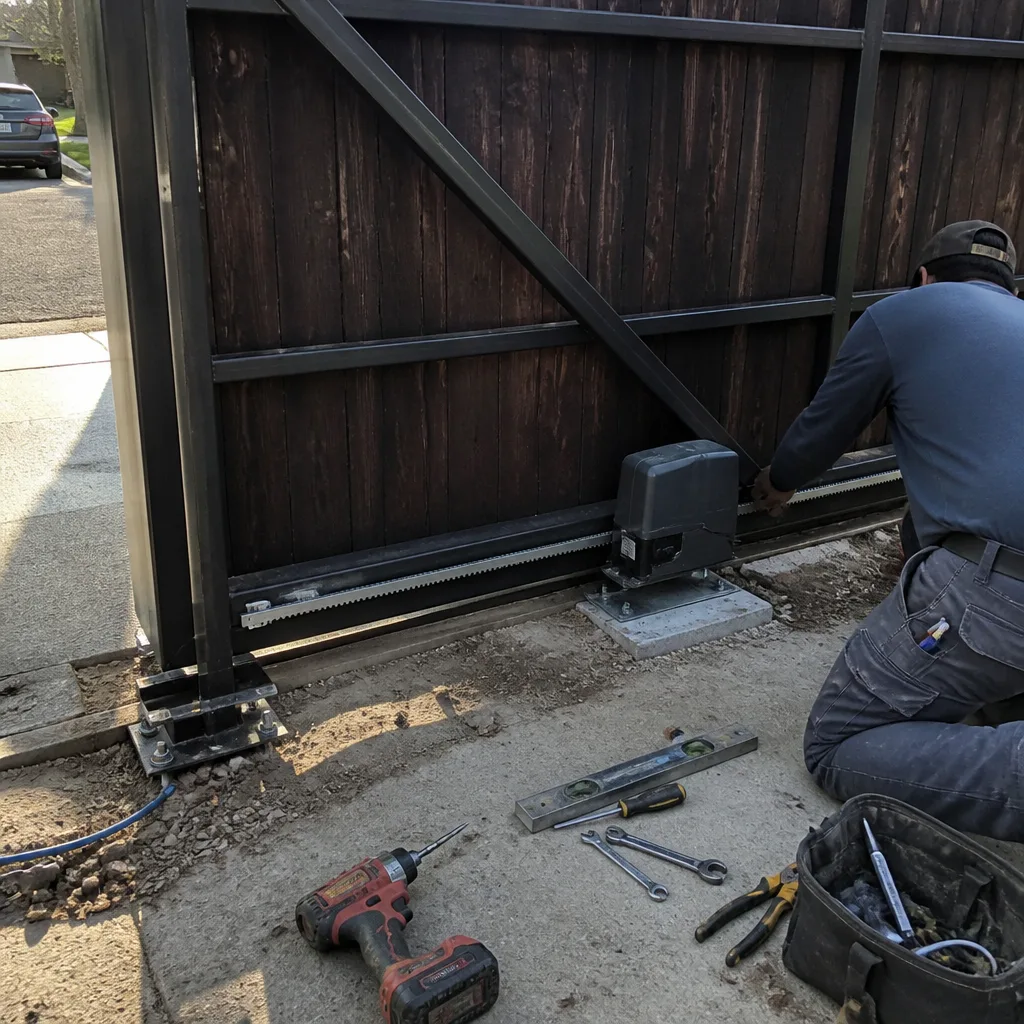 After
AfterHow to Hire a Gate Repair Contractor in Long Beach: A Step-by-Step Guide
A verbal estimate and a handshake is still the industry standard for gate repair in Long Beach in 2025. Most homeowners have no paper trail to dispute a charge, no documented starting condition, and no way to prove what was actually done when the same problem shows up six months later. Our Complete Guide to Gate Repair in Long Beach walks through the exact steps to hire a contractor who will hand you a written scope, a written price, and photographic evidence before leaving your driveway. By the time you finish reading, you’ll know the four documents to demand, the red flags that predict repeat service calls, and the questions that separate a documented professional from a technician hoping you won’t notice what was or wasn’t done.
Quick Answer
To hire a gate repair contractor in Long Beach, request a written scope and itemized price before authorizing work, confirm proof of liability insurance, verify experience with your specific gate type (slide, swing, or barrier arm), and require photographic documentation of all findings and completed work. A contractor who cannot produce these items before touching your gate is not a contractor you should pay.
Table of Contents
- The Four Documents to Request Before Any Work Begins
- How to Verify Experience With Your Gate Type
- Red Flags That Predict a Repeat Service Call
- Questions That Reveal Whether a Contractor Documents Their Work
- How to Read a Written Estimate Like a Technician
- Licensing, Insurance, and What Long Beach Homeowners Should Check
- How to Evaluate a Workmanship Warranty
- Common Mistakes to Avoid
- When to Call a Professional
- Frequently Asked Questions
- The Bottom Line
BeforeAfterThe Four Documents to Request Before Any Work Begins
Most gate repair disputes in Long Beach come down to one missing document. The homeowner remembers a conversation. The contractor remembers a different conversation. Neither has anything on paper. You can eliminate most of this ambiguity by requesting four specific documents before you authorize a single dollar of work. If a contractor hesitates on any of them, that hesitation is information.
Document One: A written scope. This is a plain-language description of what the contractor found, what they plan to do about it, and what they will not be doing. A written scope for a swing gate that won’t close should say something like: “Found photo-eye misaligned by approximately two inches, left-side arm bracket loose, and limit switch set 12 degrees past travel. Will realign photo-eye, tighten arm bracket to manufacturer torque spec, reset limit switch, and cycle-test 10 times.” A scope that just says “fix gate” is not a scope. It’s a hope.
Document Two: An itemized price. This is the difference between a fixed price and a “starting-at” estimate dressed up to look like a fixed price. A real itemized price in Long Beach for a gate motor replacement might list the motor cost, the arm bracket, wiring connectors, and labor as separate line items with individual dollar amounts that add up to a total. You want the total, but you also want the line items. When a contractor won’t itemize, it’s usually because the line items would reveal how much of the price is labor, and labor is where verbal renegotiation happens after the gate is already disassembled in your driveway.
Document Three: Proof of liability insurance. Ask for a certificate of insurance, not a statement that “we’re insured.” A certificate names the insured business, the policy period, and the coverage limits. In Long Beach, a gate contractor working on a driveway adjacent to a public sidewalk needs liability coverage because a falling gate section or a car struck by a swinging gate is a real exposure. We carry liability insurance and can provide a certificate on request. Any contractor serving Long Beach should be able to do the same within minutes by emailing their broker. If they can’t, walk away.
Document Four: A description of what documentation gets left behind. This is the one almost nobody asks for, and it’s the one that matters most when the same problem reappears in four months. Ask the contractor directly: “What will you leave with me when the job is done?” The answer you want is a photo log of every adjustment and a written record of the part number installed. Under our Haven Standard, every visit includes a documented photo record at no additional charge: what was found, what was adjusted, what was replaced. If a contractor tells you they don’t need to photograph anything, what they’re really telling you is that the next technician will have to diagnose from scratch.
How to Verify Experience With Your Gate Type
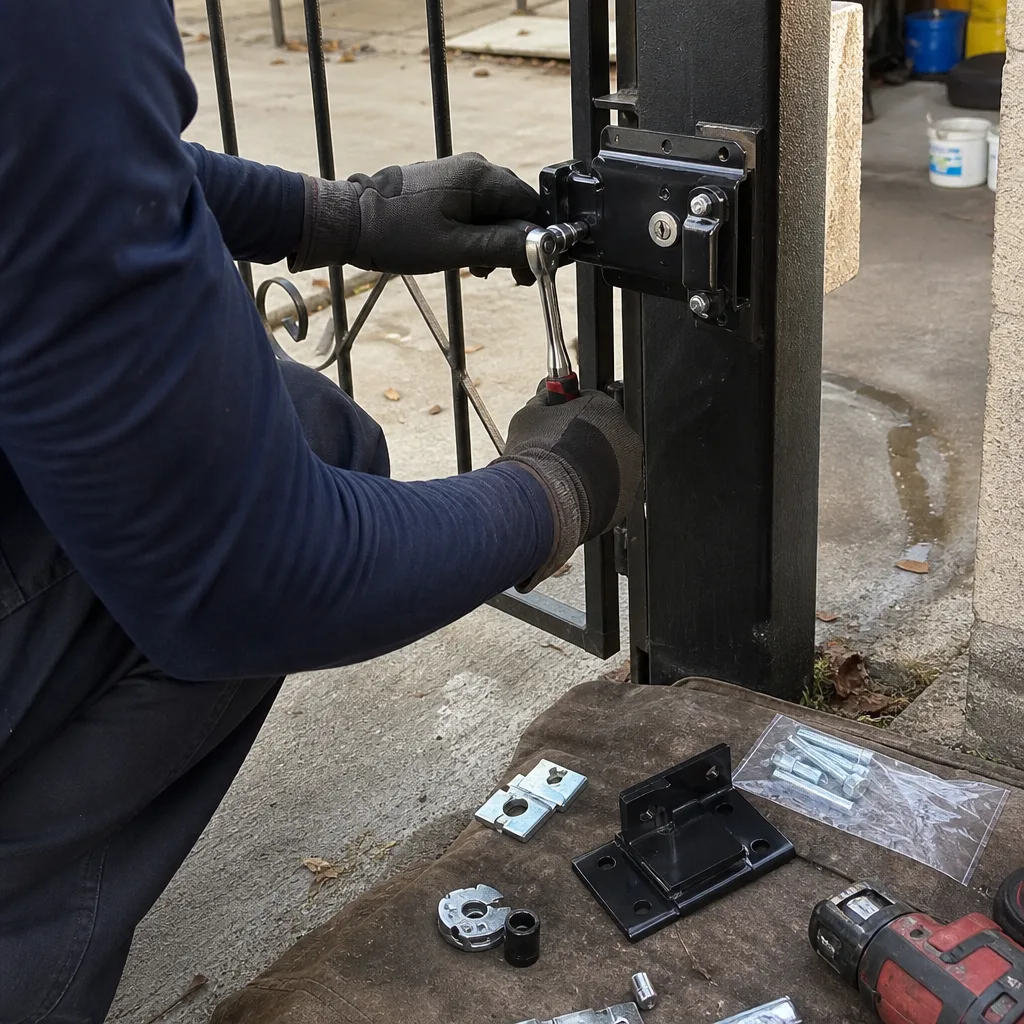
A technician who has spent ten years working on commercial barrier arms may have never opened a residential slide gate motor from Ghost Controls. The brands are different, the limit-setting procedures are different, and the failure modes are different. Before you hire a gate repair contractor in Long Beach, verify that they have hands-on experience with your specific gate configuration.
Start by identifying what you actually have. Long Beach properties break down into three common categories:
- Swing gates: One or two leaves that pivot on hinges. Common in residential driveways across Park Estates and Belmont Shore. Failure points are hinge bearings, arm brackets, actuator travel, and photo-eye alignment.
- Slide gates: A single panel that rolls sideways on a track and wheels. These are the standard for narrow driveways and commercial lots. Failure points are track debris, wheel wear, chain or belt tension, and motor capacitor failure.
- Barrier arms: Pivoting arms used in parking and controlled-access environments. These are the closest thing to pure commercial gate work, and most residential technicians have never serviced one.
Once you know your gate type, ask the contractor these questions: “How many slide gates with this brand of motor have you worked on in the last year?” “What’s the most common failure you see on this specific model?” “What special tools does this gate type require for a proper limit adjustment?” A specialist will answer these immediately with specifics. A generalist will say “all gates are basically the same.” They are not. We service nine major automation brands including LiftMaster, FAAC, and BFT, and the difference between them is not trivial. A BFT swing actuator mounts and calibrates differently from a LiftMaster arm, and the documentation we leave reflects that difference. If a contractor lumps all brands together as interchangeable, they are telling you something important about their diagnostic approach.
Long Beach’s coastal air also matters here. Salt corrosion accelerates component wear on gates within a mile of the water, especially hinge pins, actuator seals, and exposed wiring terminals. Ask the contractor whether they inspect for corrosion on every visit in Long Beach, and what they do when they find it. A vague answer means you’ll be replacing the same part again in eighteen months.
Red Flags That Predict a Repeat Service Call
Repeat service calls are not random. They are predictable, and they announce themselves in specific behaviors that happen before the first repair is even finished. Here are the red flags we’ve learned to spot in contractor communication across Long Beach, and what each one means for your wallet.
- Vague fault descriptions. If the contractor cannot tell you what specifically failed (a burned motor capacitor, a misaligned photo-eye, a stripped gear), they haven’t diagnosed anything. “It just stopped working” is not a finding. It’s an observation. A technician who cannot name the failed component before quoting a repair is planning to replace parts on the clock until something works.
- No photos taken before parts are removed. Photography is cheap. Everyone carries a phone with a camera. If a contractor removes your gate motor or control board without taking a photo of how it was wired first, they are gambling that they’ll remember. Sometimes they do. Sometimes they wire the new board exactly backwards and burn it out on the first cycle. The photo isn’t for you; it’s for them. If they don’t take it, they don’t understand the stakes.
- Verbal-only pricing. A contractor who will only quote a price out loud, or says “we’ll figure out the price when we’re in there,” is reserving the right to name any number after the gate is in pieces. You have no leverage at that point. The written price before work begins is the entire point. Without it, you are financing a diagnostic adventure with no map and no meter.
- Immediate steering toward replacement. Some gates should be replaced. A rusted-through steel frame is a replacement job. But a gate motor that “needs” replacement because the technician only knows how to install new units, not repair existing ones, is a red flag. Ask why replacement is necessary. What exactly failed? What would repair cost? Compare the answer between contractors. A company that services Mighty Mule, LiftMaster, and other brands can typically repair what’s already on the property rather than demanding a new installation.
- No mention of safety devices. Modern automated gates in Long Beach require photo-eyes or edge sensors to prevent the gate from striking a vehicle or a person. A contractor who quotes a motor replacement without confirming or inspecting safety devices is skipping the part of the job that most often causes callbacks and liability exposure.
None of these behaviors is a smoking gun by itself. Together, they form a pattern: a contractor who will not commit to a written diagnosis, a written price, or a visual record is a contractor who profits from ambiguity. In Long Beach, that ambiguity is usually resolved against the homeowner.
Questions That Reveal Whether a Contractor Documents Their Work
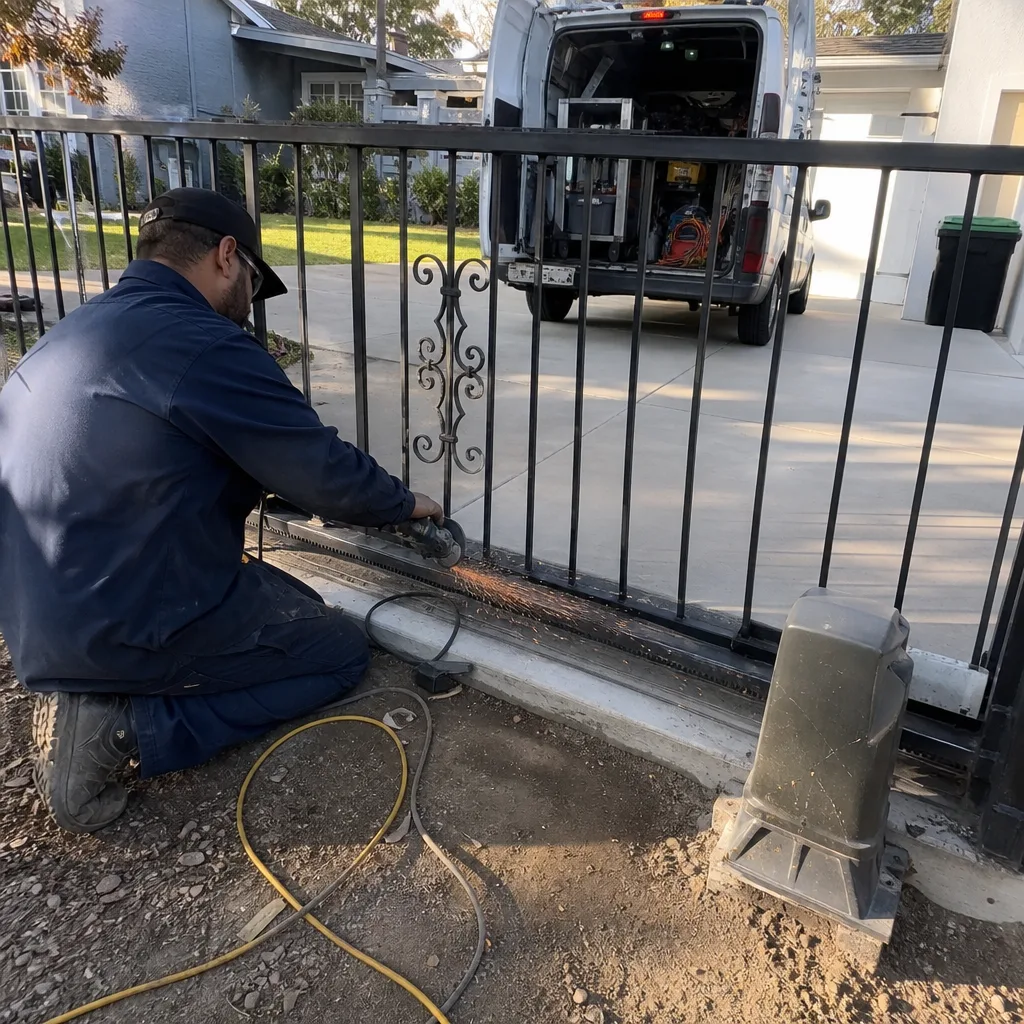
You can’t always tell from a website or a phone call whether a contractor leaves a documented record. But you can ask questions that force the answer into the open. These five questions are the ones we recommend Long Beach homeowners ask in the first conversation, because the answers reliably separate the evidence-first contractor from the handshake-and-hope operation.
- “What does your written estimate include?” Listen for the word “scope,” not just the word “price.” An estimate that is only a dollar amount is a quote, not a document. A written estimate should describe the work in plain language: what was found, what will be replaced, what will be adjusted, and what is excluded.
- “Will you take photos during the job, and will I get copies?” The answer you want is yes to both. No documentation means the next technician starts from zero, and you pay for the diagnosis twice.
- “What happens if the same problem comes back in three months?” Listen for a warranty period that covers the work, not just the part. A motor may have a manufacturer warranty, but the installation labor, the wiring connections, and the limit adjustments are only covered by the contractor’s own workmanship promise. Our 365-Day Done Right Promise covers exactly this: if the repair is not right within one full year, we make it right at no additional charge.
- “How do you handle a job where you find additional problems mid-repair?” The correct answer is: we stop, photograph the new finding, explain it, and get written approval before doing anything else. The incorrect answer is: we just take care of it and add it to the bill. That second approach might sound reassuring, but it’s how surprise invoices are born.
- “Who exactly is coming to my house?” A contractor who can tell you the technician’s name before arrival, and ideally send a photo, is a contractor who has a managed service operation, not a dispatch lottery. We send background-checked, uniformed technicians to every job, with name and photo provided before arrival. This is not a luxury. It’s a basic accountability measure.
These questions do not require technical knowledge to ask. They require only the willingness to ask them. A contractor who bristles at any of them is broadcasting how the rest of the job will go.
How to Read a Written Estimate Like a Technician
A written estimate is only as useful as your ability to parse what it actually says. The difference between a legitimate fixed price and a “starting at” estimate dressed up to look like a fixed price is usually visible in three places: the line items, the exclusions, and the fine print. Here’s how to read all three.
Line items. A fixed-price estimate shows a total that equals the sum of its parts. The motor cost is listed. The labor is listed. The bracket, the connectors, the sealant, the disposal fee if applicable: all listed. A “starting at” estimate often shows one total with a note that says “subject to change upon disassembly” or “additional parts billed as needed.” A legitimate repair quote does not need to hide behind that language because experience tells the contractor what the probable failure is before the gate is ever opened.
Exclusions. Read the part of the estimate that says what is not included. A gate repair contractor who writes “does not include concrete work, trenching, or electrical panel upgrades” is giving you useful information about the boundaries of the job. A contractor who writes no exclusions at all is either incapable of foreseeing them, which is a competence problem, or planning to add them later, which is an honesty problem.
Fine print. Look for the phrase “does not include parts” on a small repair job, or a labor rate that is hourly when the quote was presented as flat. A legitimate estimate says “total price for this scope: $X.” Anything that ends with an asterisk pointing to a vague “plus materials” is not a quote. It’s a starting point.
One more check: is the estimate tied to a specific date and a specific technician? Estimates that expire in 30 days are normal, but an estimate that is valid indefinitely is a signal that the contractor’s pricing is opportunistic. You want a price that reflects what the job actually requires, quoted by the person who actually looked at the gate. At Vance Gate Repair Long Beach home, our price is written and handed over before any work starts, and it stays that price for the scope described. No asterisks, no “as needed,” no surprise invoice at the end.
Licensing, Insurance, and What Long Beach Homeowners Should Check
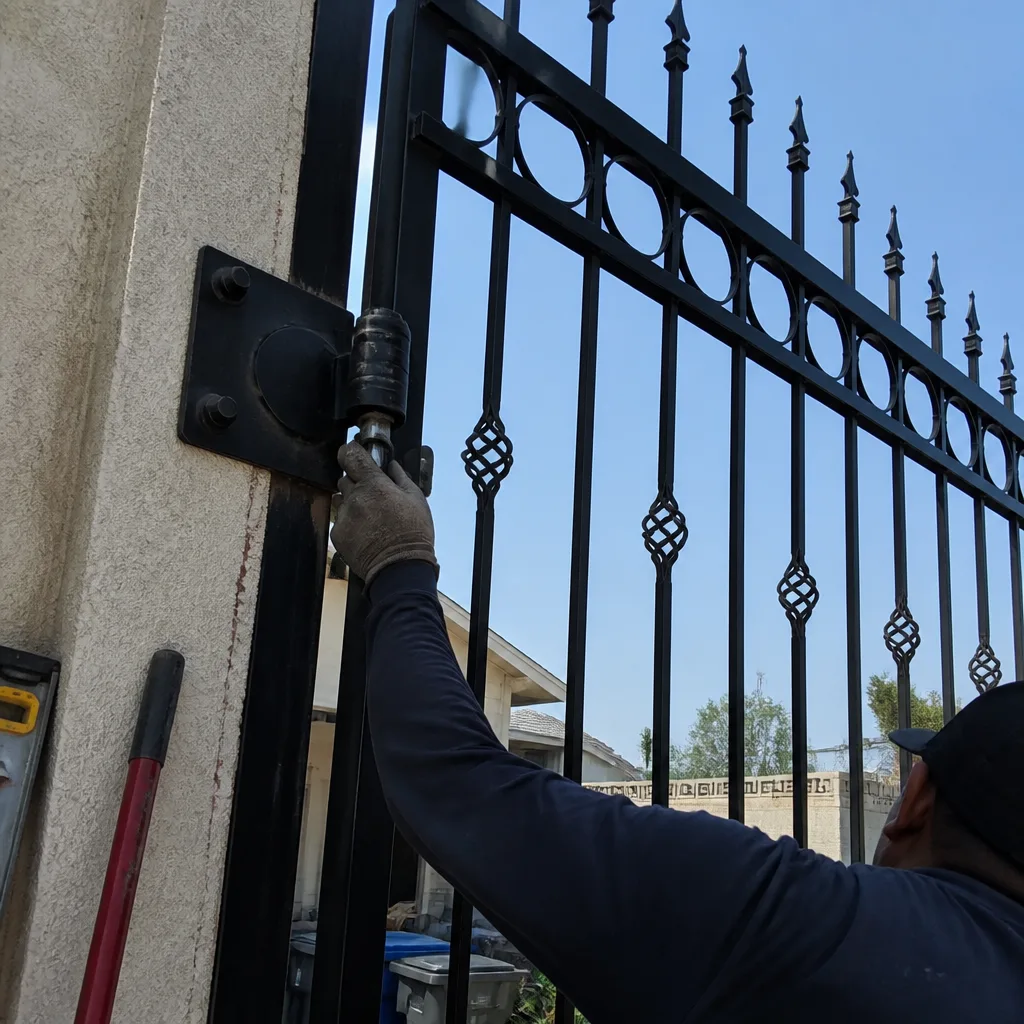
California requires a contractor’s license for gate work that exceeds a certain dollar threshold, and many jobs on automatic gates in Long Beach cross that threshold quickly. You can verify a license with the California Contractors State License Board. Ask for the license number on the first call, then verify it. A contractor who will not provide a license number, or provides one that does not match the business name they are using, is not someone you want working on a gate that weighs several hundred pounds and moves under motor power.
Insurance is equally important but often ignored. Liability coverage protects you if the contractor’s work damages your property or a neighbor’s. A falling gate section in a Long Beach neighborhood with narrow property lines can easily cross a property boundary. Ask for a certificate of insurance. Our team carries liability coverage and will provide the certificate on request before any work begins. This is standard practice for any serious gate contractor.
Some Long Beach neighborhoods have additional considerations. Homes in historic districts may have covenants that govern gate appearance and material; a contractor replacing a wrought-iron gate in one of these zones should know what is permissible before purchasing materials. Homes adjacent to Alamitos Bay or the marina may have higher corrosion exposure than inland properties. None of these things change the core hiring checklist, but a good contractor will raise them unprompted as part of the scope discussion.
How to Evaluate a Workmanship Warranty
Gate repairs involve two kinds of warranties: the manufacturer warranty on the parts, and the workmanship warranty on the labor. Homeowners in Long Beach often confuse the two, and contractors are happy to leave the confusion intact. When the same motor fails six months after installation, the homeowner calls the contractor, and the contractor says “that’s a manufacturer issue, call LiftMaster.” You need to know before the repair begins who covers what.
A manufacturer warranty typically covers defects in the motor or control board. A LiftMaster operator may carry a multi-year warranty on the motor unit. A Mighty Mule or FAAC unit will have its own terms. But manufacturer warranties rarely cover installation errors, miswired connections, improperly set limits, or photo-eyes installed at the wrong angle. Those are labor issues, and they are covered only by the contractor’s own workmanship promise, not by the brand.
So before you authorize any repair, ask: “How long do you warranty your labor separately from the manufacturer’s warranty?” Listen for a specific number expressed in months or years. Then ask: “What happens if the same problem recurs inside that window?” The answer should include a commitment to return and correct the work at no charge. Our 365-Day Done Right Promise covers every completed repair for one full year. If the repair is not right, we make it right, no argument, no fee, no expiration date within that window. That promise is in writing, not in a conversation.
Also ask whether the warranty transfers if you sell the home. Escrow disputes over gate repairs are common in Long Beach’s active real estate market. A transferable warranty is a small thing that can eliminate a closing headache. If the contractor doesn’t know whether their warranty transfers, that’s an answer in itself.
Common Mistakes to Avoid
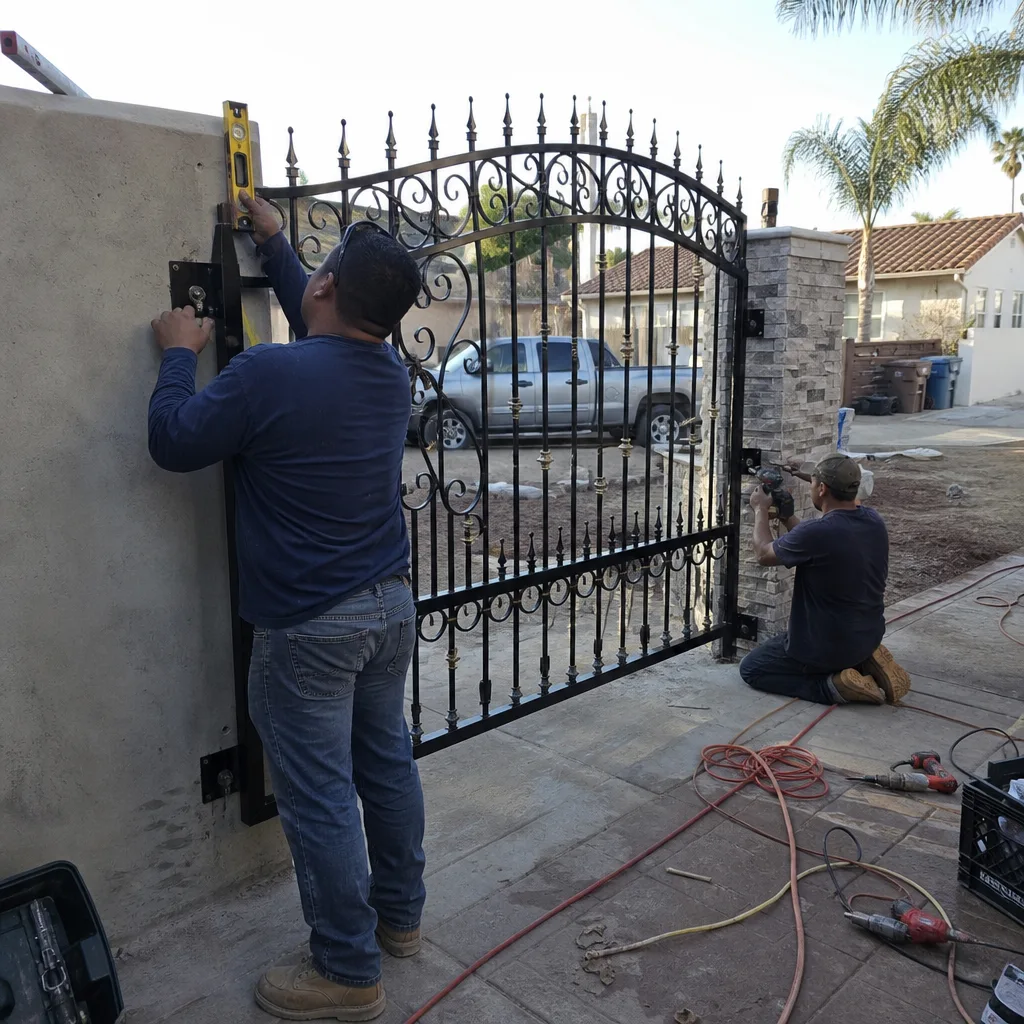
- Hiring without checking the gate type specialty. A contractor experienced with barrier arms in Long Beach commercial lots is not automatically qualified to service a residential slide gate with a FAAC motor. Ask for experience with your specific configuration before booking.
- Accepting a verbal estimate as a final price. Spoken numbers do not survive contact with a disassembled gate. Demand the written price before any tool comes out of the truck.
- Skipping the insurance verification. A gate that falls on a car or a person is a liability event. If the contractor has no insurance, that liability lands on your homeowner’s policy.
- Not asking what documentation you get. Without photos and a written record, the next contractor has to diagnose from scratch, and you pay for the same diagnosis twice.
- Replacing instead of repairing without a second opinion. Some contractors replace because they can’t repair. Before you approve a $5,000 replacement for a problem a specialist might fix for $400, get a second opinion. We offer a free second opinion on any written estimate from another company: bring the paperwork, and we’ll review it at no cost.
- Ignoring safety device inspection. A gate motor replacement that skips photo-eye alignment or safety-edge testing is a callback waiting to happen. Confirm that safety devices are included in the written scope.
- Choosing based on price alone. The cheapest quote in Long Beach is often the one with the most exclusions. Compare scopes, not just totals. A higher price with a written scope and a one-year workmanship warranty is usually the less expensive option over eighteen months.
When to Call a Professional
Some gate problems are safe to observe on your own: a hinge that squeaks, a gate that closes slower than usual, a photo-eye with a blinking light. But any repair involving gate springs, gate motors, high-tension hardware, or electrical wiring warrants a trained professional. Gate springs and cables are under enormous tension and can cause serious injury if mishandled. Automated gate systems involve line-voltage wiring and motor controllers that can deliver a dangerous shock if the disconnect is not properly isolated. If your gate is binding, if the motor is making a grinding sound, or if the gate has stopped responding to the remote, stop operating it and call a professional. Gate Repair in Long Beach from Vance includes free estimates. Call (424) 788-1027 and a live person will answer, day or night.
Frequently Asked Questions
A qualified gate repair contractor in Long Beach should be willing to show you a valid contractor’s license, proof of liability insurance, and specific examples of experience with your gate type and brand before you authorize any work. Ask for the license number and verify it with the California Contractors State License Board. A real specialist will be able to name the common failure modes of your specific motor brand without hesitation.
A written gate repair estimate in Long Beach should include a plain-language scope describing what was found and what will be done, an itemized price with line items for parts and labor, a list of exclusions, and a warranty statement covering workmanship separately from manufacturer parts warranties. If the estimate is just a dollar amount with no scope, it is not enough to protect you.
Gate repair costs in Long Beach vary by the failure: a photo-eye realignment may run under $200, while a slide gate motor replacement typically ranges from $600 to $2,200 depending on the brand (LiftMaster, FAAC, BFT, Mighty Mule) and whether the mounting hardware is intact. A swing gate actuator replacement often falls in the $800 to $2,500 range. The total depends on whether the failure is a component adjustment or a full motor swap, and whether safety devices need realignment or replacement as part of the scope. The price should be written and agreed before any work starts. Call (424) 788-1027 for an exact quote on your gate repair, estimates are free.
Yes, in most cases. Vance Gate Repair operates with a live person answering calls 24/7, and our Long Beach technicians can often diagnose a gate issue the same day. Emergency repairs like a gate stuck open or a broken spring preventing driveway access are prioritized. Call (424) 788-1027 and you will speak to a person, not a voicemail loop.
A fixed price is a specific dollar amount for a specific written scope, and the total equals the sum of its itemized parts. A “starting at” estimate quotes a low number with language that allows for additional charges once the gate is disassembled. Always ask whether the estimate is a firm price for the described scope or an opening number subject to change.
Yes. Long Beach gate contractors should carry liability insurance covering property damage and personal injury, because a falling gate or a malfunctioning motor can cause significant damage to a car, a fence, a neighbor’s property, or a person. Always request a certificate of insurance before authorizing work. A contractor who cannot produce one is a risk you should decline.
Yes. We provide free estimates for gate repair in Long Beach, and our price is written and handed over before any work starts. You can also bring a written estimate from another company and we will review it at no cost, or explore our more guides & resources for help comparing quotes.
The Bottom Line
Hiring a gate repair contractor in Long Beach comes down to one question: will this contractor put their findings, their price, and their work in writing? A verbal estimate and a handshake is still the industry standard in Long Beach, but it’s a standard with no protection and no memory. A written scope, an itemized price, proof of insurance, and a documented photo record turn a one-time repair into something you can hold, verify, and dispute if necessary. The most expensive gate repair mistake you can make isn’t hiring the wrong company. It’s hiring any company without requiring the paper trail first. For gate repair, Gate Installation in Long Beach, or Gate Motor & Opener in Long Beach work, call Vance Gate Repair at (424) 788-1027. A live person answers, and the price is written before anyone picks up a tool.
Written by Adrian Vance, Owner at Vance Gate Repair Long Beach, serving Long Beach since 2014.